....
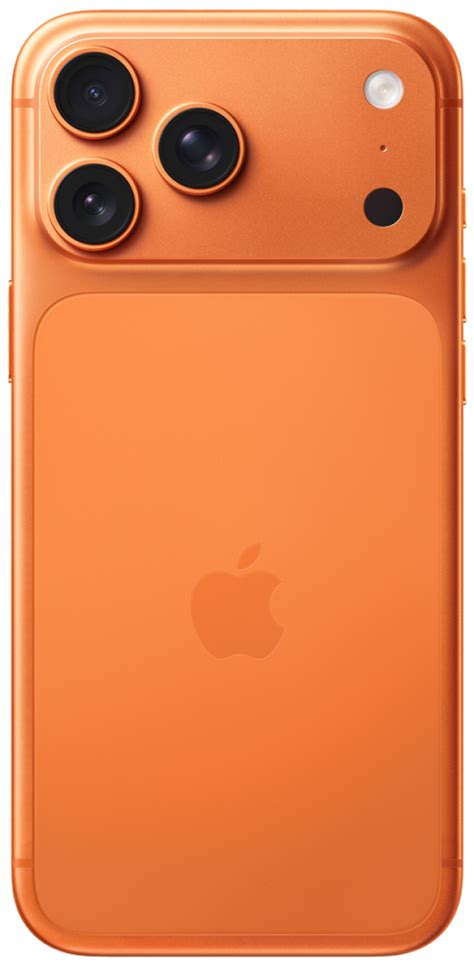
The anticipation around the next generation of Apple smartphones continues to build, with intense speculation focusing on a truly bezel-less experience. Many enthusiasts are eagerly awaiting the prospect of an iPhone 17 Pro full screen, a design leap that promises unparalleled immersion and sleek aesthetics. This groundbreaking shift would redefine how users interact with their devices, pushing the boundaries of smartphone technology.
For years, the dream of a seamless, edge-to-edge display has captivated the tech world, and Apple is widely expected to lead this charge towards ultimate screen real estate. Achieving a genuine full-screen design requires significant technological advancements, particularly in discreetly integrating critical components beneath the display panel. This article delves into what a true full-screen iPhone 17 Pro could entail, exploring the innovations necessary to make it a reality for consumers.
The Quest for a Notch-Less, Bezel-Free Experience
Apple has consistently evolved its iPhone display design, moving from the iconic notch to the more interactive Dynamic Island. However, the ultimate goal for many remains a completely unobstructed viewing area, freeing the screen from any visual interruptions. The iPhone 17 Pro full screen concept envisions a future where every millimeter of the front panel is usable display real estate, offering an expansive canvas for all content.
Eliminating bezels and cutouts presents significant engineering challenges, demanding breakthroughs in miniaturization and display transparency. This ambitious design choice reflects a broader industry trend towards maximizing the screen-to-body ratio, providing users with a more engaging and less distracting visual experience. A truly full-screen phone would represent a pinnacle of minimalist design and functional integration, setting a new standard.
Under-Display Camera Technology: The Invisible Lens
A crucial component for achieving an iPhone 17 Pro full screen design is the seamless implementation of an under-display camera (UDC). This revolutionary technology allows the front-facing camera to reside entirely beneath the actual screen panel, becoming virtually invisible when not in active use. Such an innovation would effectively eliminate the need for any punch-holes or notches, paving the way for a truly uninterrupted display on the device.
While UDC technology currently exists in some Android devices, Apple's approach would likely focus on achieving uncompromised image quality and seamless integration with its renowned software ecosystem. The core challenge lies in ensuring sufficient light passes through the OLED pixels to the sensor, without degrading the display's visual integrity or the camera's photographic performance. Advanced pixel arrangements, lens technology, and sophisticated processing algorithms will be essential to overcome these inherent hurdles effectively.
Face ID Under the Screen: Seamless Security Integration
Beyond the front camera, another major hurdle for a full-screen iPhone is the embedding of the entire Face ID system beneath the display. Face ID relies on a complex array of sensors, including a dot projector, flood illuminator, and infrared camera, all of which currently occupy space within the Dynamic Island or previous notch designs. Moving these intricate biometric components beneath the screen requires an entirely new and sophisticated engineering solution from Apple.
Integrating these critical security elements discreetly is paramount for maintaining Apple's industry-leading authentication standards, known for their robustness and speed. Future iterations of Face ID might leverage advanced sensor fusion and sophisticated algorithms to operate effectively through the display material, ensuring accurate environmental mapping and facial recognition. This would guarantee secure and convenient unlocking and payments, even as the physical sensors become imperceptible to the user.
Maximizing Immersion: A New Visual Paradigm
The arrival of an iPhone 17 Pro full screen would dramatically enhance the device's overall aesthetics, presenting a clean, uninterrupted glass slab. This minimalist design would not only look stunning but also significantly contribute to a more immersive user experience across all applications. Content would truly pop off the screen, extending to every edge of the device, making videos, games, and web browsing feel incredibly expansive and engaging.
Imagine watching a high-definition movie or playing a graphics-intensive game without any visual obstructions, where the display melts into the device's edges; the potential for increased engagement and realism is immense. Furthermore, the complete removal of the Dynamic Island might free up valuable status bar space, allowing for more information at a glance or a significantly cleaner user interface. This fundamental shift in design would undoubtedly redefine the visual interaction paradigm for future iPhones, setting new benchmarks for smartphone displays.
Technological Hurdles and Apple's Innovation Ethos
Achieving a perfected under-display camera and a fully integrated Face ID system for a mass-market product like the iPhone is no small feat. Apple is renowned for its meticulous attention to detail and its unwillingness to compromise on quality or overall user experience. Therefore, the implementation of these cutting-edge technologies in the iPhone 17 Pro, if it indeed features a full screen, would likely be highly refined and thoroughly tested.
Expectations include significant research and development investments dedicated to overcoming issues such as reduced light intake for cameras, potential display uniformity problems directly over the sensors, and maintaining Face ID's unwavering accuracy and speed. Apple’s long-term vision has always involved pushing technological boundaries, suggesting that they are working towards a flawless integration rather than a hurried release of immature technology. The pursuit of true innovation often takes considerable time and numerous iterations to perfect, ensuring a superior final product.
The Future Outlook for iPhone Display Technology
While the iPhone 17 Pro full screen remains a topic of intense speculation and rumor, the technological trajectory of smartphones clearly points in this direction. Apple's gradual progression from the notch to the Dynamic Island demonstrates a clear path towards a completely uninterrupted display. The realization of this full-screen vision would not just be a design victory but also a testament to advanced engineering and material science.
Consumers can anticipate a future where their iPhone screen becomes a true window into their digital world, offering an unparalleled level of visual immersion. This evolution promises to enhance productivity, entertainment, and everyday interaction with the device, solidifying Apple's position at the forefront of smartphone innovation. The journey towards a truly full-screen iPhone is an exciting prospect, promising a revolutionary leap in user interface and design.
Frequently Asked Questions (FAQ)
Will the iPhone 17 Pro truly have a full-screen display?
While it remains a subject of intense speculation and rumor, the technological trend and Apple's own design evolution suggest a strong push towards a full-screen, bezel-less iPhone. Achieving this would require advanced under-display camera and Face ID technologies.
How will the under-display camera (UDC) work on a full-screen iPhone?
An under-display camera would be integrated directly beneath the OLED panel, becoming invisible when not in use. It relies on special transparent display areas and advanced algorithms to allow light to reach the camera sensor without compromising image quality or display integrity.
What about Face ID? Will it also be under the screen?
Yes, for a true full-screen experience, the entire Face ID system, including its array of sensors, would need to be embedded beneath the display. This would require significant engineering breakthroughs to maintain its accuracy and speed through the screen material.
What are the main benefits of an iPhone 17 Pro with a full screen?
The primary benefits include a dramatically more immersive visual experience for videos, games, and browsing, thanks to the uninterrupted display. It also offers a sleeker, more minimalist aesthetic and potentially more usable screen real estate without notches or cutouts.
When is the iPhone 17 Pro expected to be released with these features?
The iPhone 17 Pro is typically expected in late 2025 based on Apple's release cycle. However, the advanced full-screen technologies, especially perfected UDC and under-display Face ID, might debut in phases or slightly later, depending on Apple's readiness to deliver a flawless experience.
